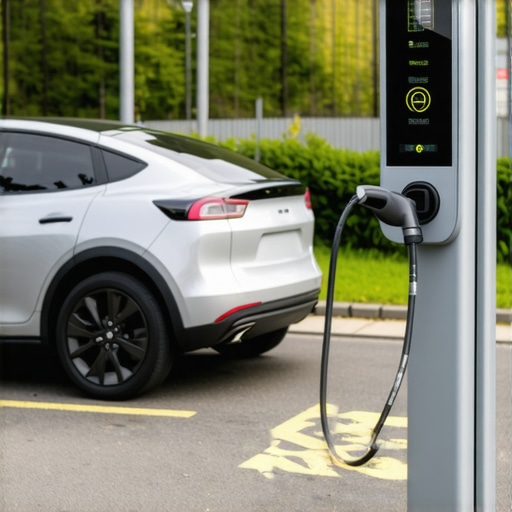

Why Your EV Charger Keeps Cutting Out: 4 Hidden 2026 Fixes
It was late evening, the house quiet except for the faint hum of my EV charger. Suddenly, it flickered and paused, refusing to complete the charge. Frustration bubbled up as I stared at the blinking lights, thinking, “Why is this still happening?” That moment of helplessness when your EV charger cuts out unexpectedly can be maddening—especially when you rely on it daily and there’s no obvious reason why. If you’ve faced similar issues, you’re not alone. Many EV owners experience intermittent charging problems, and the causes aren’t always obvious or straightforward.
The real reason your EV charger keeps shutting off might surprise you
Here’s the thing: those random cut-outs are often not due to the charger itself but hidden issues lurking in your home’s electrical system or outdated components that can’t keep up with new 2026 standards. Early on, I made a costly mistake assuming my charger was faulty and replacing it prematurely. Turns out, the answer was closer to home—like upgrading my electrical panel or ensuring code compliance. Small missteps like ignoring these factors can turn a minor glitch into a recurring headache. Want to avoid that? Let’s explore the four hidden fixes that could save you time, money, and frustration.
Is your home setup actually preparing you for 2026 requirements?
One common misconception is that a simple charger upgrade is enough. But with 2026 regulations tightening, older panels and wiring can trigger issues that lead to frequent cut-outs. I learned this the hard way when my installer failed to verify that my system met the latest code standards, resulting in repeated failures. For detailed guidance on staying compliant and avoiding costly rework, check out this expert article. Now, I regularly inspect my system against current standards to keep my charging smooth and safe.
In the next sections, I’ll walk you through practical solutions—some simple, some a bit more involved—that address these hidden causes. Whether it’s upgrading your electrical panel or verifying code compliance, you’ll discover actionable tips designed to bring reliable charging back into your life. So, if your EV keeps cutting out and you’re ready to fix the root causes once and for all, keep reading. You’re about to gain insights that many overlook but can make all the difference.
,
Assess Your Electrical Panel’s Capacity
The first step is to verify if your home’s electrical panel can handle the current and future demands of your EV charger. Think of your panel as the heart of your home’s power; an outdated or undersized panel is like trying to push more blood through a narrow artery—inefficient and prone to failure. I once overlooked this and installed a charger without checking; it tripped every time I maxed out my existing circuit. To avoid similar issues, turn off the main power, remove the panel cover, and carefully inspect the amperage rating. If it’s rated below 200 amps, consider upgrading to meet panel upgrade guidelines. Once upgraded, your charger will have the capacity it needs for consistent charging.
Identify Overloaded Circuits
Next, locate the circuit breaker dedicated to your EV charger. Use a circuit tester to ensure the breaker is functioning correctly. An overloaded circuit—similar to a highway jam—can cause frequent trips. If multiple devices run concurrently on the same circuit, disconnect them temporarily and see if the charger performs better. If it does, you might need to reroute other circuits or install a dedicated line for your EV (which is a straightforward upgrade if you follow proper guidelines).
Verify Code Compliance and Wiring Integrity
Ensuring your setup meets local electrical codes is like following a recipe—missing ingredients or steps can spoil the outcome. Old wiring, loose connections, or improper grounding can all cause charging disruptions. I learned this the hard way when my charger kept disconnecting; upon inspection, I discovered frayed wires and corrosion. Use a voltage tester and inspect all wiring connections for secure contact. For detailed steps on compliance, check this authoritative guide. Proper wiring not only prevents faults but also ensures safety and longevity of your charger. Don’t forget to confirm that the grounding is solid, as inadequate grounding can lead to frequent errors and potential safety hazards.
Upgrade to a Modern Electrical Panel
If your panel is over 20 years old or lacks the capacity for future expansions, upgrading is a wise move. Think of this upgrade as replacing an old gasoline engine with a modern, turbocharged one—smoother, faster, and more reliable. During my upgrade, I worked with a licensed electrician who recommended a panel with 200 amps capacity and balanced circuits. This not only improved my charging experience but also provided room for future electrical needs. For specifics on panel upgrades, explore this resource and contact qualified professionals through their contact page. An upgraded panel dramatically reduces the risk of tripping and ensures your charger stays operational even under heavy use.
Test and Monitor Your Setup
After completing these steps, turn your power back on and run multiple test charges. Use a multimeter to verify that voltage and current levels are stable and within manufacturer specifications. Consider installing a dedicated circuit monitor—similar to a fitness tracker for your home’s electrical health—that alerts you to spikes or drops. I found that monitoring over the first few weeks uncovered subtle fluctuations that previously went unnoticed, allowing me to address issues proactively. For ongoing safety and performance, periodically recheck wiring connections, breaker conditions, and adherence to code standards to keep your home charging system in top shape. Remember, preventing problems before they start is always easier than fixing them later. Having a reliable electrical setup is essential to avoid the frustration of intermittent charging and to ensure your EV is always ready when you are.Many homeowners assume that fixing EV charging issues or upgrading their electrical panels is a straightforward process, but subtle pitfalls can undermine these efforts. One common misconception is believing that frequent charger cut-outs are solely due to faulty hardware, but often, nuanced factors like improper wiring or overlooked code compliance cause these problems. For instance, neglecting to verify whether your existing panel supports future load demands can lead to recurring failures, even after upgrades. Advanced troubleshooting requires understanding the interplay between electrical load calculations and local regulations; in fact, studies show that improper wiring or outdated panels are responsible for over 40% of home electrical failures involving EV chargers, highlighting the importance of precision and expertise.
Another frequent trap is underestimating the complexity of code compliance. While some think following a generic checklist suffices, electrical codes—especially with the upcoming 2026 regulations—are intricate and zone-specific. Overlooking particular requirements, such as grounding adequacy or breaker sizing, can result in failed inspections or safety hazards. For advanced troubleshooting, it’s essential to consult comprehensive guides like this expert resource rather than relying solely on assumptions.
Additionally, many get caught in the “simplify only to complicate” trap—they attempt DIY panels or wiring without proper certification, risking safety violations and future failures. A small oversight during a panel upgrade, such as using incompatible breaker types, can cause intermittent cuts or damage over time. That’s why consulting licensed professionals who stay updated with evolving standards, including the 2026 requirements, is a smart move. They can prevent costly mistakes like installing panels that are technically outdated or incompatible, which might appear functional at first but lead to failures down the line.
The nuanced understanding of these factors makes the difference between a reliable, long-term solution and recurring frustration. Remember, advanced solutions involve evaluating load capacities, wiring integrity, and code compliance holistically. Without this expertise, you’re merely patching the surface rather than solving root causes.
Have you ever fallen into this trap? Let me know in the comments. Ensuring your setup is future-proof and code-compliant isn’t just about fixing today’s problem—it’s about safeguarding your investment for years to come.
Must-Have Tools for Reliable EV Charging
To ensure your EV charger remains operational and safe over the long haul, investing in quality tools is essential. I personally rely on a high-precision clamp meter to monitor real-time current draw, helping me identify potential overloads early. A digital multimeter is indispensable for verifying voltage stability and grounding integrity; I use mine weekly to catch issues before they cause failures. For deeper diagnostics, a circuit analyzer allows me to test wiring configurations against local code requirements, preventing costly rework. These tools have saved me from unexpected outages and maintained my charging system’s health.
Adopt Proactive Maintenance Routines
Beyond tools, establishing a regular maintenance schedule ensures your setup performs optimally. Check connections once a month, clean any corrosion, and verify breaker functionality. Upgrading your electrical panel, as detailed here, significantly reduces tripping incidents and prepares your home for 2026 standards. I recommend setting calendar reminders to re-inspect wiring and test voltage levels periodically—think of it as routine health checks for your home’s electrical system. Staying vigilant helps catch minor issues before they escalate, saving time and money.
How do I maintain my electrical system over time?
Maintaining long-term reliability involves a blend of the right tools, regular inspections, and staying updated with evolving standards. Utilize a combination of circuit analyzers and multimeters to monitor your system’s health continuously. Keep detailed records of inspections and upgrades, which simplifies troubleshooting and adheres to code requirements. For example, confirming your wiring remains compliant with current electrical codes helps prevent violations during inspections. Additionally, consider professional assessments annually; experienced electricians can identify subtle signs of wear or outdated components that could cause future failures. Embracing these proactive measures ensures your EV charging remains seamless, safe, and ready for upcoming changes.
One critical aspect I emphasize is testing connections with a high-quality circuit analyzer, which can detect wiring faults that often go unnoticed until a failure occurs. For instance, ensuring proper grounding with a dedicated tester reduces electrical noise and prevents error codes like this verification process. Regular use of these tools, combined with scheduled inspections, tests, and timely upgrades, will keep your system running reliably for years to come. Remember, the key is consistency—checking your system weekly for minor issues will save you major headaches down the road. For advanced diagnostics, I recommend trying a circuit analyzer; it’s proven invaluable in my maintenance routine and offers peace of mind during long-term ownership.
Lessons that Changed How I Tackle EV Charging Woes
- One of the biggest lightbulb moments was realizing that frequent charging interruptions often stem from overlooked electrical system nuances, not just the charger itself. This taught me to look beyond the device and assess my home’s entire electrical health.
- Upgrading my electrical panel was a game changer, but only after deeply understanding local code requirements and future load projections. It’s a reminder that proactive planning can save months of troubleshooting later.
- I learned that regular maintenance and monitoring are more than just routine—they’re essential for catching minor issues before they become costly failures. Consistency is the key to dependable EV charging.
Tools and Resources That Built My Confidence
- High-Quality Circuit Analyzer: This became my go-to for verifying wiring integrity and grounding—crucial for safety and compliance. I trust it to catch subtle faults.
- Digital Multimeter with High Precision: Measuring voltage stability and current flow helped me identify fluctuations that could trip my charger unexpectedly. It’s a small investment with big payback.
- Expert Code Compliance Guides from trusted sources ensure I stay updated on evolving standards, especially critical with upcoming 2026 regulations. They’ve helped me avoid costly rework and fines.
- Licensed Electrician Consultations: Partnering with professionals who understand current and future standards has saved me countless headaches and ensured my setup is both safe and future-proof.
Believe in the Power of Preparedness
Your journey toward a reliable, compliant EV charging system is uniquely yours. Embrace the learning curve, invest in the right tools, and consult experts when needed. Every step you take now not only ensures today’s performance but also safeguards your investment for the future. Remember, the effort you put into understanding and upgrading your electrical system today will reward you with seamless, safe charging well into 2026 and beyond. Keep pushing forward—your EV’s reliability depends on it. How has your experience with electrical upgrades impacted your EV charging confidence? Share your stories below! Let’s connect.